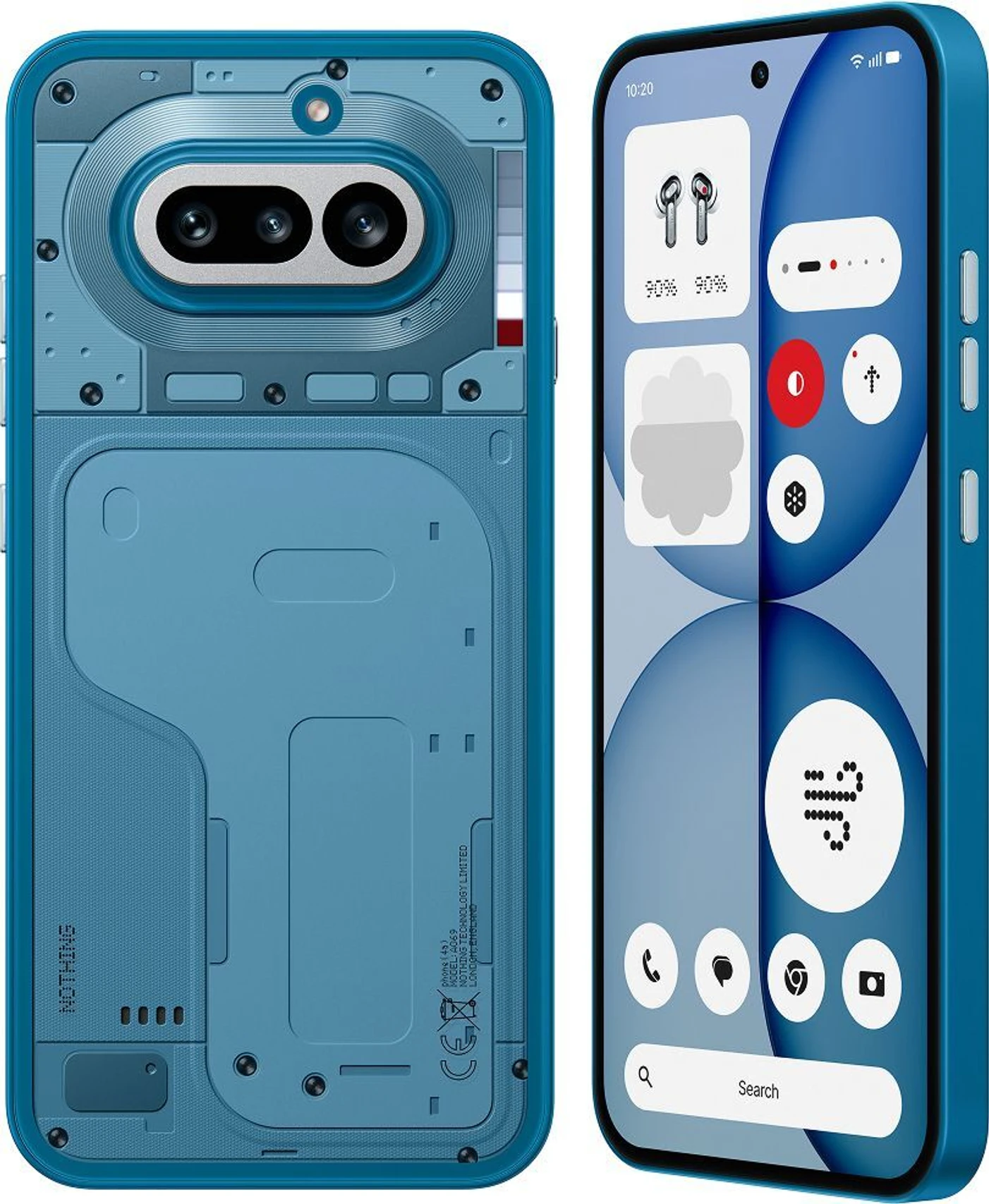
Poco F7 5G vs Nothing Phone (4b) — Full Comparison
Published: August 19, 2026
Detailed comparison, specifications, ratings, pros & cons, and buying recommendation.
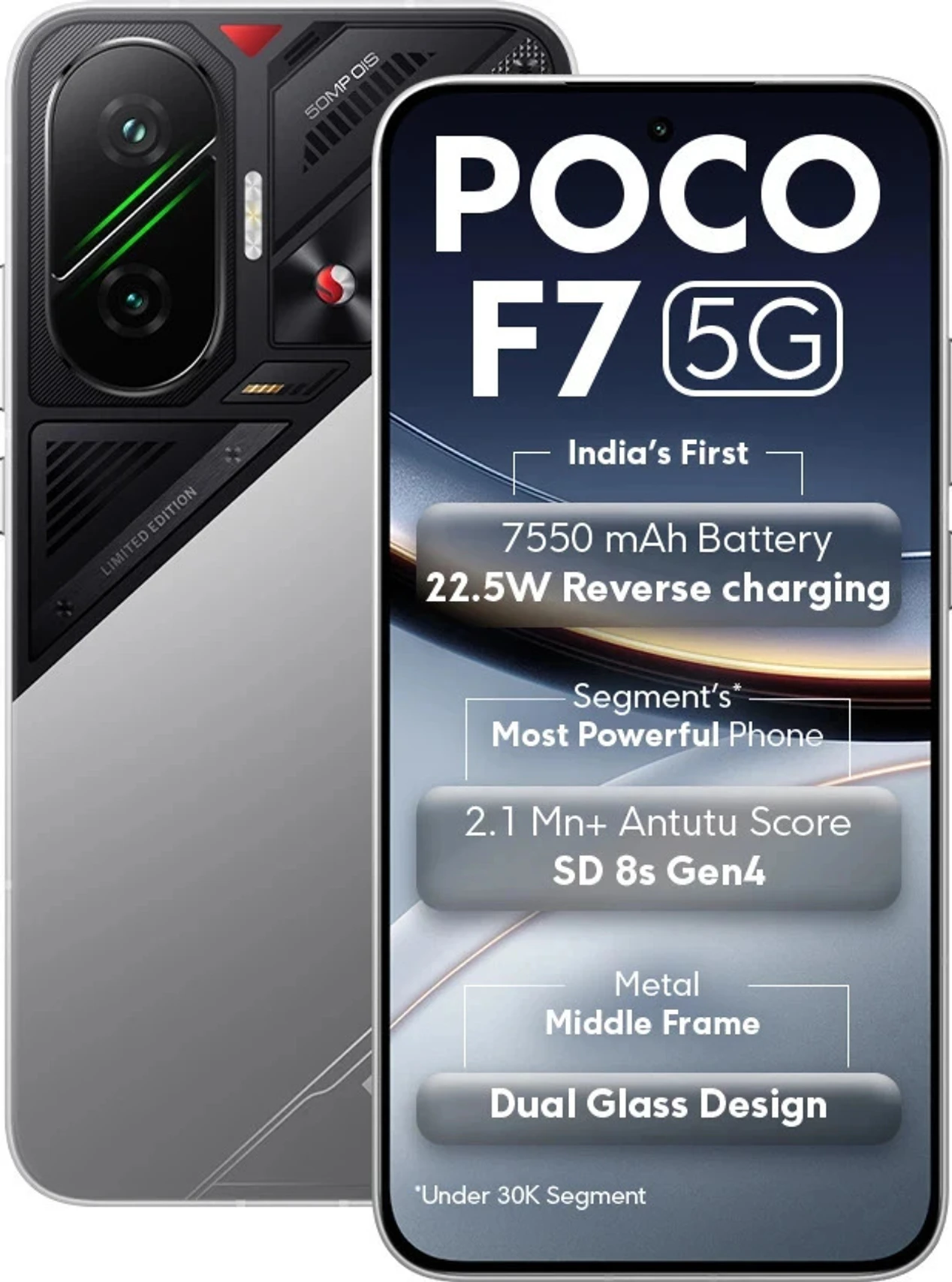
Full Specifications Comparison
✔ 50 Specifications Compared
| Specification | Poco F7 5G | Nothing Phone (4b) |
|---|---|---|
SIM Type | Dual Sim, GSM+GSM | Dual Nano SIM |
Dual SIM | ✅ Yes | ✅ Yes |
Display Type | pOLED | Super AMOLED |
Display Size | 6.83 inches | 6.77 inches |
Resolution | 1280x2772 | 1080 x 2344 |
Refresh Rate | 120 Hz | 120 Hz |
Pixel Density | 435 PPI | 381 PPI |
Peak Brightness | 3200 nits | 2000 nits |
RAM | 12 GB | 8 GB |
RAM Type | LPDDR5X | LPDDR4X |
Storage | 256 GB | 128 GB |
Storage Type | UFS 4.1 | UFS 2.2 |
Card Slot | Not Available | No |
5G | ✅ Yes | ✅ Yes |
Wi-Fi | Wi-Fi 7 | Wi-Fi 6 |
Bluetooth | Bluetooth 6 | Bluetooth 6 |
USB Port | USB-C v2.0 | USB Type-C 2.0 |
Processor | Qualcomm Snapdragon 8s Gen 4 | Qualcomm Snapdragon 6 Gen 4 |
CPU | 3.2 GHz, Octa Core Processor | Octa Core 2.3 GHz |
Process Node | 3 nm | 4 nm |
AnTuTu Score | 1800000 | 701545 |
GPS | ✅ Yes | ✅ Yes |
Fingerprint Sensor | In Display | In Display |
Face Unlock | ✅ Yes | ✅ Yes |
Sensors | Ambient Light Sensor, Proximity Sensor, E-Compass, Accelerometer, Gyroscope, IR Blaster | Accelerometer, Electronic Compass, Ambient Light Sensor, Gyroscope, Proximity Sensor |
Headphone Jack | ❌ No | ❌ No |
IP Rating | IP69 | IP64 |
Rear Camera | 50MP + 8MP | 50MP + 8MP |
Camera Sensor | Sony IMX882 | Not Specified |
Camera Features | OIS, Ring Flash | OIS, Ultra XDR, AI Semantic Segmentation, Portrait Optimiser, Night Mode, Dual Video Recording, Time Lapse |
Video Recording | 4K @ 60 fps UHD, 1080p @ 60 fps FHD | 4K 30fps |
Front Camera | 20MP Wide Angle | 16MP f/2.4 Wide |
Front Video Recording | 4K | 1080p 30fps |
Operating System | Android 15 | Android 16 |
Custom UI | HyperOS 2.0 | Nothing OS 4.1 |
Battery | 7550 mAh | 6000 mAh |
Battery Type | Si/C Li-Io | Li-Po |
Charging | 90W Fast Charging | 33W Fast Charging |
Rear Camera | 50 MP | 58 MP |
Front Camera | 20 MP | 16 MP |
NFC | ✅ Yes | ❌ No |
Wireless Charging | ❌ No | ❌ No |
Reverse Charging | ✅ Yes | ✅ Yes |
Screen Protection | Corning Gorilla Glass 7i | Dragontail Pro Glass |
Weight | 222 g | 210 g |
Dimensions | 77.93 x 163.1 x 7.98 mm | 164.4 × 78.2 × 8.6 mm |
Build Material | Not Available | Plastic Frame, Glass Front & Back |
Launch Date | 24 Jun 2025 | 7 Jul 2026 |
Telephoto Lens | ❌ No | ❌ No |
Periscope Lens | ❌ No | ❌ No |
Performance
Display
Camera
Battery
Connectivity
Build Quality
Specs Score
89
Poco F7 5G
Specs Score
61
Nothing Phone (4b)
Poco F7 5G
+28Better Overall
Detailed Comparison
Poco F7 5G vs Nothing Phone (4b) — Full Comparison
If you're planning to buy a phone around ₹35,999–₹31,230, the Poco F7 5G and the Nothing Phone (4b) are two excellent options worth considering. Both devices offer modern chipsets, AMOLED displays, generous RAM, capable cameras, recent Android builds, but they focus on different strengths.
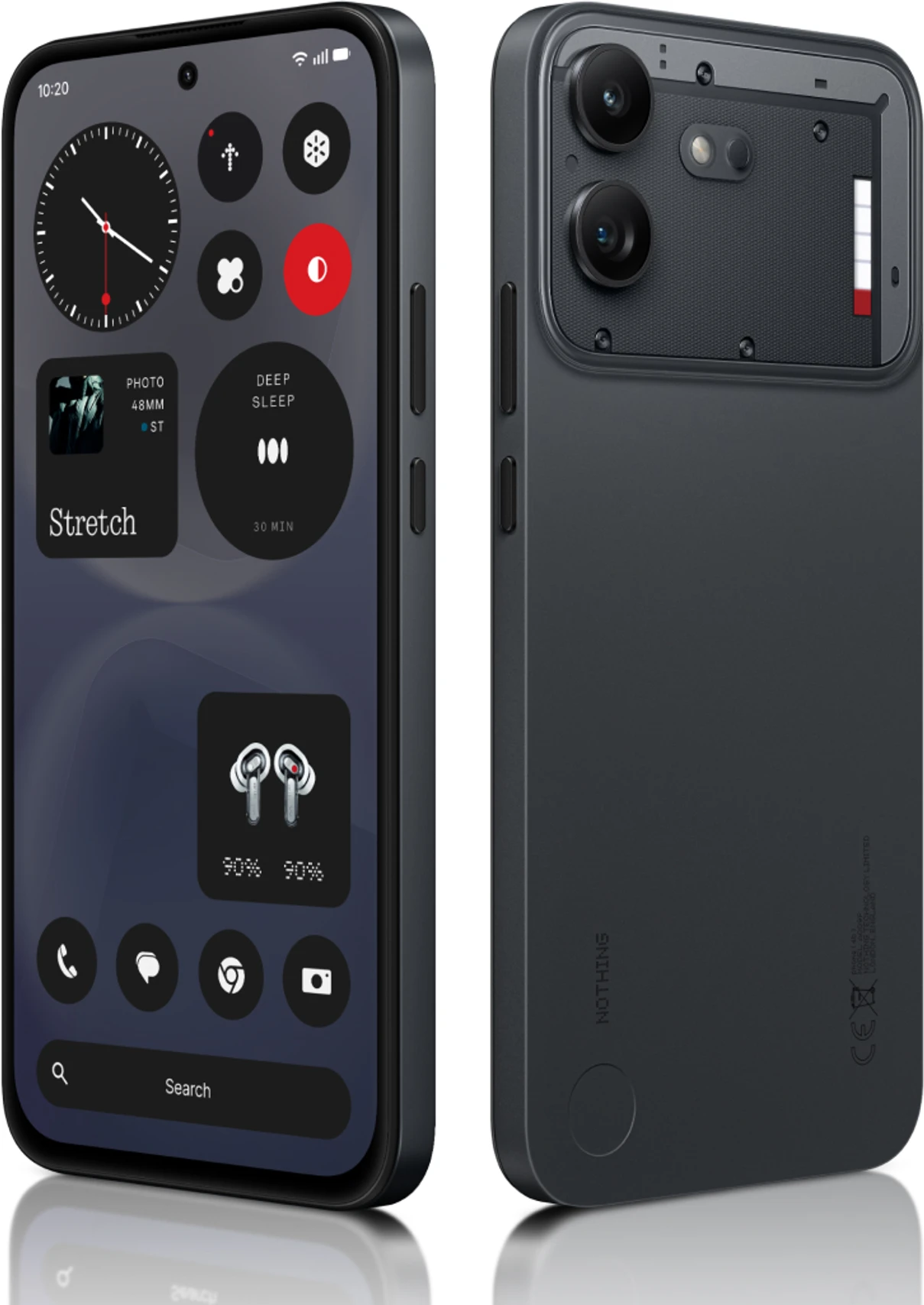
The Poco F7 5G emphasizes snapdragon 8s Gen4 performance and massive 7550mAh battery. In contrast, the Nothing Phone (4b) delivers premium transparent-inspired Nothing design and unique Glyph Bar lighting.
This detailed comparison covers design, display, performance, cameras, battery life, software, connectivity and overall value, helping you choose the phone that best suits your needs.
Design and Build Quality
The Poco F7 5G weighs 222g and carries an IP69 rating for dust and splash resistance. It is powered by the Qualcomm Snapdragon 8s Gen4.
The Nothing Phone (4b) weighs 210g and brings an IP64 rating. Inside it runs the Qualcomm Snapdragon 6 Gen 4.
Nothing Phone (4b) Wins — the Nothing Phone (4b) is 12 grams lighter and a more comfortable build.
Display Comparison
Poco F7 5G
- Chipset: Qualcomm Snapdragon 8s Gen4
- Display: 6.83-inch pOLED, 120Hz
- Resolution: 1280x2772
- Refresh Rate: 120Hz
- Brightness: 3200 nits
- Pixel Density: 435 PPI
- RAM: 12GB
- Storage: 256GB
- Rear Camera: 50MP
- Front Camera: 20MP
- Battery: 7550mAh
- Charging: 90W
- IP Rating: IP69
- NFC: Yes
- Reverse Charging: Yes
- OS: Android 15, HyperOS 2.0
Nothing Phone (4b)
- Chipset: Qualcomm Snapdragon 6 Gen 4
- Display: 6.77-inch Super AMOLED, 120Hz
- Resolution: 1080 x 2344
- Refresh Rate: 120Hz
- Brightness: 2000 nits
- Pixel Density: 381 PPI
- RAM: 8GB
- Storage: 128GB
- AnTuTu Score: 7,01,545
- Rear Camera: 58MP
- Front Camera: 16MP
- Battery: 6000mAh
- Charging: 33W
- IP Rating: IP64
- Reverse Charging: Yes
- OS: Android 16, Nothing OS 4.1
Poco F7 5G Wins — the Poco F7 5G offers the better display with 120Hz.
Performance Comparison
The Poco F7 5G uses the Qualcomm Snapdragon 8s Gen4 with 12GB RAM and 256GB storage.
The Nothing Phone (4b) is powered by the Qualcomm Snapdragon 6 Gen 4 with 8GB RAM and 128GB storage. It scores around 7,01,545 on AnTuTu.
Poco F7 5G Wins — the Poco F7 5G delivers stronger raw performance for gaming and multitasking.
Camera Comparison
The Poco F7 5G packs a 50MP main camera with a 20MP selfie shooter.
The Nothing Phone (4b) features a 58MP main camera paired with a 16MP front camera.
Nothing Phone (4b) Wins — the Nothing Phone (4b) has the more capable camera setup.
Battery and Charging
The Poco F7 5G carries a 7550mAh battery with 90W fast charging and reverse charging.
The Nothing Phone (4b) packs a 6000mAh battery with 33W fast charging and reverse charging.
Poco F7 5G Wins — the Poco F7 5G lasts longer and/or charges faster.
Software Experience
Both phones run Android 15 / Android 16 (HyperOS 2.0 / Nothing OS 4.1). The better choice depends on whether you prefer HyperOS 2.0 or Nothing OS 4.1 — both are smooth for daily use.
Connectivity Comparison
Poco F7 5G
- Chipset: Qualcomm Snapdragon 8s Gen4
- Display: 6.83-inch pOLED, 120Hz
- Resolution: 1280x2772
- Refresh Rate: 120Hz
- Brightness: 3200 nits
- Pixel Density: 435 PPI
- RAM: 12GB
- Storage: 256GB
- Rear Camera: 50MP
- Front Camera: 20MP
- Battery: 7550mAh
- Charging: 90W
- IP Rating: IP69
- NFC: Yes
- Reverse Charging: Yes
- OS: Android 15, HyperOS 2.0
Nothing Phone (4b)
- Chipset: Qualcomm Snapdragon 6 Gen 4
- Display: 6.77-inch Super AMOLED, 120Hz
- Resolution: 1080 x 2344
- Refresh Rate: 120Hz
- Brightness: 2000 nits
- Pixel Density: 381 PPI
- RAM: 8GB
- Storage: 128GB
- AnTuTu Score: 7,01,545
- Rear Camera: 58MP
- Front Camera: 16MP
- Battery: 6000mAh
- Charging: 33W
- IP Rating: IP64
- Reverse Charging: Yes
- OS: Android 16, Nothing OS 4.1
Poco F7 5G Wins — the Poco F7 5G offers more connectivity extras (NFC, Wi-Fi, Bluetooth).
Pros and Cons
Poco F7 5G
Pros
- Snapdragon 8s Gen4 performance
- Massive 7550mAh battery
- 90W fast charging
- 120Hz pOLED display
- 5G support
- IP69 durability
- Reverse charging
Cons
- No wireless charging
- No 3.5mm headphone jack
- Heavy build
- Heavy at 222g
Nothing Phone (4b)
Pros
- Premium transparent-inspired Nothing design
- Unique Glyph Bar lighting
- Large 6.77-inch Super AMOLED display
- Smooth 120Hz adaptive refresh rate
- HDR10+ support
- Bright 2000 nits peak brightness
- Snapdragon 6 Gen 4 chipset
Cons
- Snapdragon 6 Gen 4 isn't the fastest in its price range
- UFS 2.2 storage is slower than UFS 3.1/UFS 4.0
- LPDDR4X RAM instead of LPDDR5
- No telephoto camera
- No wireless charging
- USB Type-C 2.0 only
Which Phone Should You Buy?
Choose the Poco F7 5G if you want snapdragon 8s Gen4 performance and massive 7550mAh battery at ₹35,999.
Choose the Nothing Phone (4b) if you prioritise premium transparent-inspired Nothing design and unique Glyph Bar lighting at ₹31,230.
Final Verdict
The Poco F7 5G is the stronger all-round phone in this comparison. Snapdragon 8s Gen4 performance and massive 7550mAh battery give it the edge over its rival, while the Nothing Phone (4b) remains a strong alternative if you value premium transparent-inspired Nothing design more.
Related Comparisons
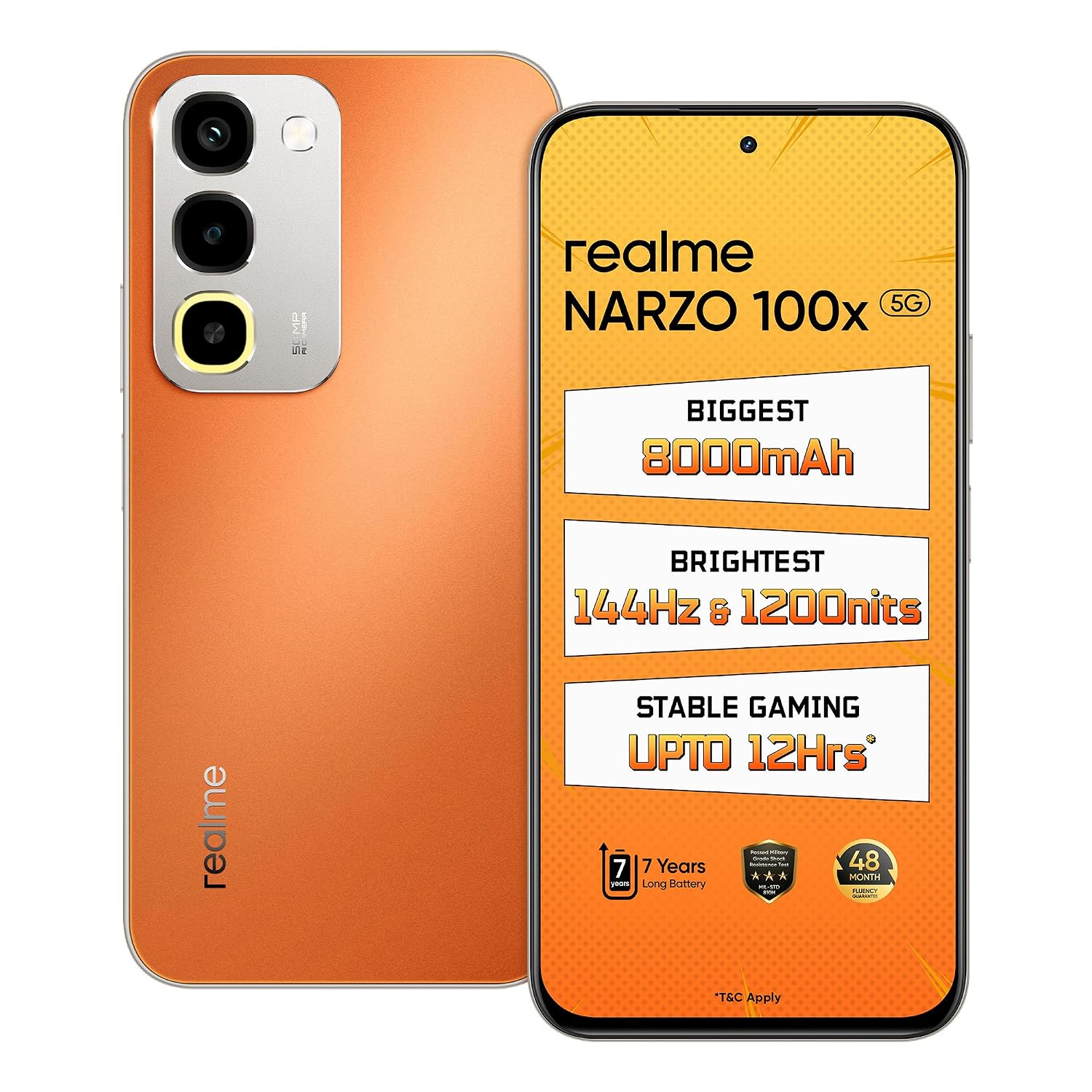
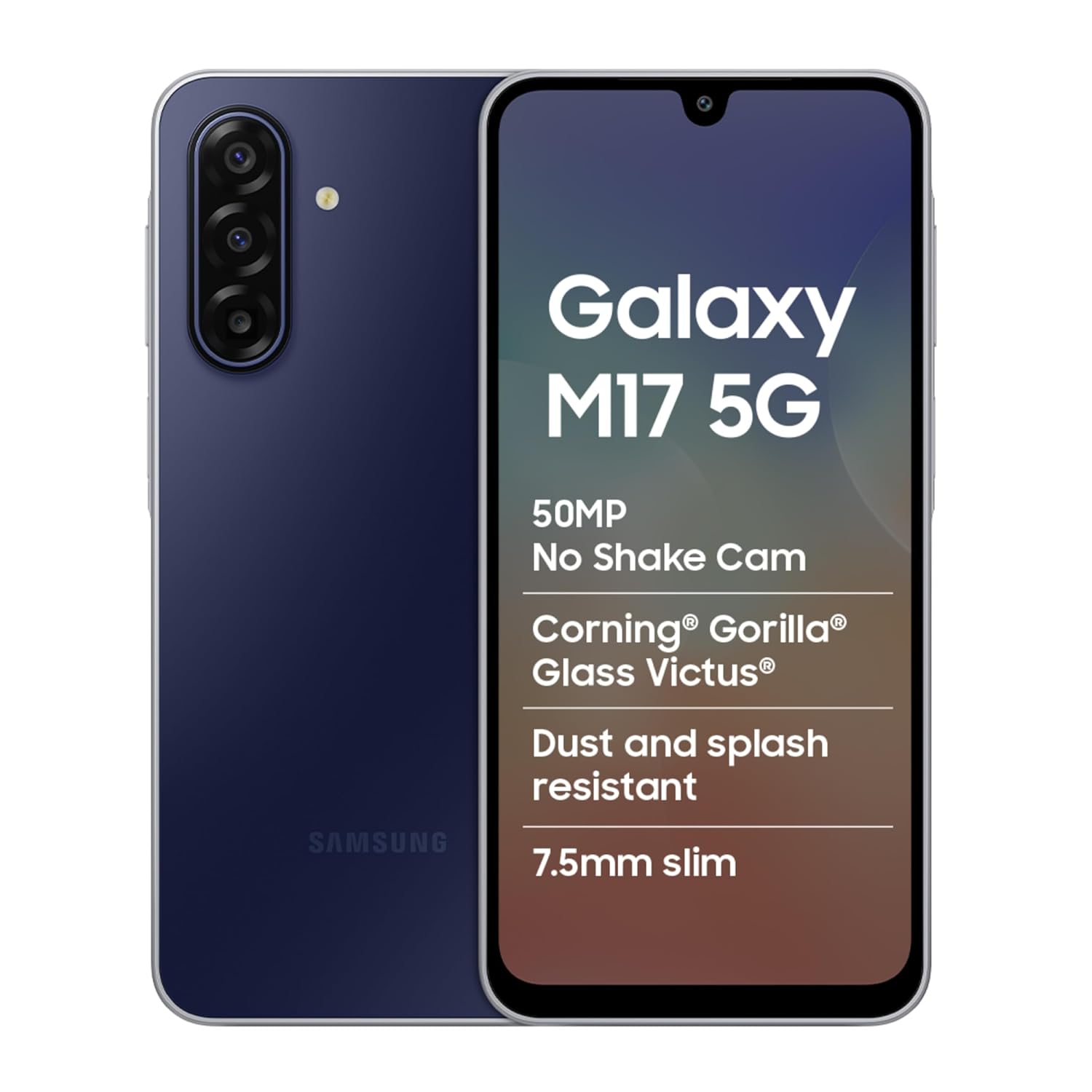
Realme Narzo 100x 5G vs Samsung Galaxy M17 5G — Full Comparison
Samsung Galaxy M36 5G Vs Redmi 15 5G Comparison Details
Nothing Phone (4b) vs Samsung Galaxy A56 5G Comparison Details
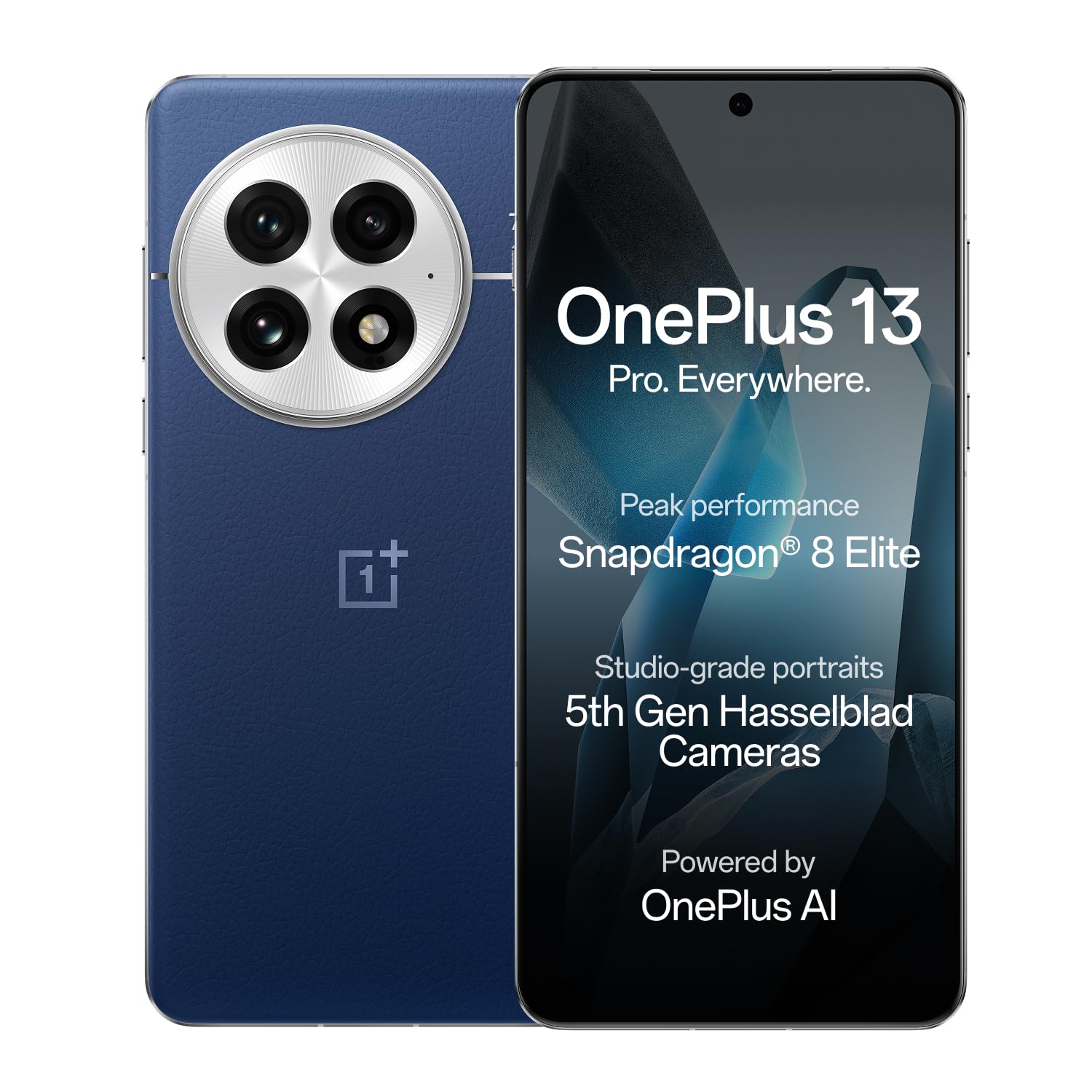

OnePlus 13 vs OnePlus 15R Comparison Details
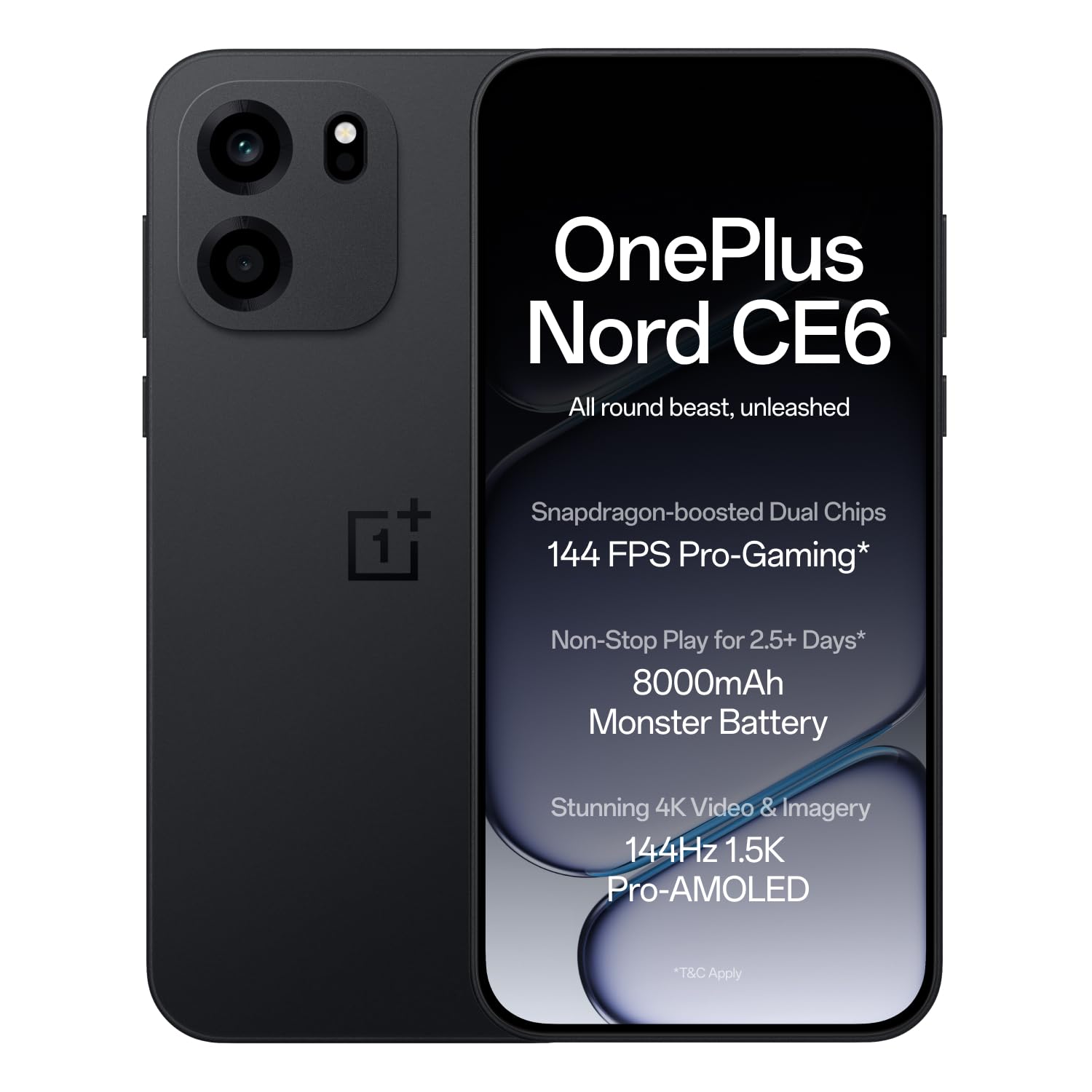
Nothing Phone (4b) vs OnePlus Nord CE6 Comparison Details